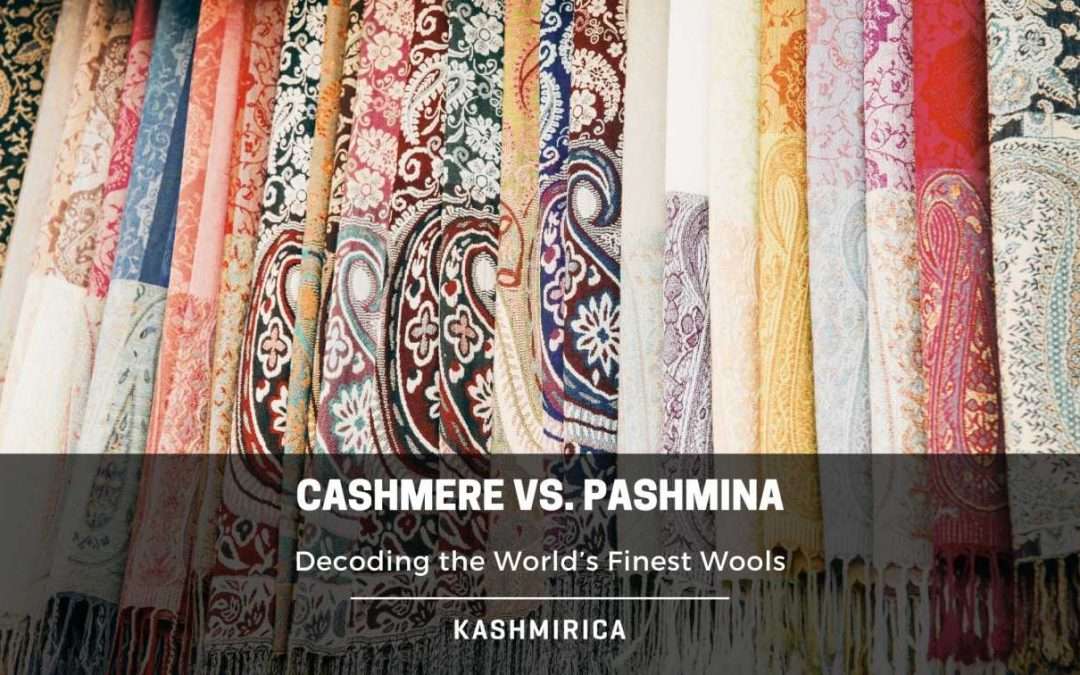
Pashmina vs Wool vs Cashmere: Which Shawl Is Best for You?

Shawls have been an essential part of fashion and functionality for centuries, especially in colder regions. In India, shawls are not just winter accessories but symbols of heritage, craftsmanship, and luxury. Among the most popular options, Pashmina, wool, and cashmere are often confused with each other.
If you are planning to invest in pure shawls and want to choose the best shawls in India, understanding the difference between Pashmina, wool, and cashmere is crucial. Each fabric has unique characteristics in terms of softness, warmth, durability, and price.
This guide will help you understand Pashmina vs wool vs cashmere—which is better for you.
Understanding the Basics: What Are Pashmina, Wool, and Cashmere?
What Is Pashmina?
Pashmina is a premium type of cashmere wool derived from the undercoat of Changthangi goats found in the Himalayan regions of Ladakh and Tibet. The fibers are extremely fine, often measuring less than 15 microns, making Pashmina exceptionally soft, lightweight, and warm.
In India, Pashmina shawls are traditionally handwoven by Kashmiri artisans, making them highly valuable and luxurious.
What Is Wool?
Wool is a natural fiber obtained from sheep and other animals like alpacas and camels. It is widely used to make sweaters, blankets, and shawls. Wool fibers are thicker than Pashmina and cashmere, making them durable and affordable.
Wool shawls are commonly available and are popular for everyday winter use.
What Is Cashmere?
Cashmere is a broader category of wool derived from cashmere goats. Pashmina is actually a type of cashmere, but not all cashmere is Pashmina. Cashmere fibers are finer than regular wool but usually thicker than Pashmina fibers.
Cashmere shawls offer a balance between luxury and affordability compared to pure Pashmina.
Pashmina vs Wool vs Cashmere: Key Differences
1. Softness and Comfort
- Pashmina: The softest among the three. It feels silky, lightweight, and gentle on the skin, making it ideal for sensitive skin.
- Cashmere: Very soft, but slightly less fine than Pashmina. Still considered a luxury fiber.
- Wool: Generally coarser and can feel itchy for some people, especially lower-grade wool.
Winner: Pashmina (for ultimate softness and luxury).
2. Warmth and Insulation
- Pashmina: Despite being lightweight, Pashmina provides excellent insulation and warmth due to its fine fibers.
- Cashmere: Warm and insulating, suitable for cold climates.
- Wool: Excellent for warmth, especially in thick weaves, but can feel heavy.
Winner: Wool for extreme cold, Pashmina and cashmere for lightweight warmth.
3. Weight and Breathability
- Pashmina: Extremely lightweight and breathable, perfect for layering and travel.
- Cashmere: Lightweight but slightly heavier than Pashmina.
- Wool: Heavier and bulkier, especially in thick shawls.
Winner: Pashmina for lightweight elegance.
4. Durability and Longevity
- Pashmina: Delicate and requires careful handling but can last decades with proper care.
- Cashmere: Durable and easier to maintain than Pashmina.
- Wool: Very durable and easy to maintain, ideal for daily use.
Winner: Wool for everyday durability, Pashmina for heirloom pieces.
5. Price and Affordability
- Pashmina: The most expensive due to limited raw material and handcrafted weaving.
- Cashmere: Expensive but more affordable than Pashmina.
- Wool: The most affordable and widely available.
Winner: Wool for budget, Pashmina for luxury investment.
Which Shawl Is Better: Pashmina, Wool, or Cashmere?
The answer depends on your purpose, budget, and personal preferences.
Choose Pashmina If:
- You want the best shawls in India with luxury appeal
- You prefer lightweight, ultra-soft, and breathable fabrics
- You are looking for pure shawls with artisanal craftsmanship
- You want an heirloom piece that lasts for generations
Pashmina is ideal for special occasions, gifting, and luxury fashion.
Choose Cashmere If:
- You want a luxury feel at a relatively lower price than Pashmina
- You prefer soft and warm shawls for daily winter wear
- You want a balance between comfort and durability
Cashmere is a great mid-range option for premium fashion lovers.
Choose Wool If:
- You need affordable and durable winter shawls
- You live in extremely cold climates and need thick insulation
- You want easy-to-maintain shawls for everyday use
Wool shawls are practical and budget-friendly for regular wear.
Pure Shawls: How to Identify Authenticity
When shopping for pure shawls, it’s important to verify authenticity, especially for Pashmina and cashmere.
Tips to Identify Pure Shawls:
- Check the label for “100% Pashmina” or “Pure Cashmere”
- Feel the softness and lightweight texture
- Look for handwoven craftsmanship and slight irregularities
- Perform the ring test (fine shawls can pass through a ring)
- Buy from trusted sellers or certified stores
Why Pashmina Is Considered the Best Shawl in India
Pashmina shawls are often considered the finest and most luxurious shawls in India due to their:
- Rare and fine fibers
- Handcrafted Kashmiri weaving techniques
- Cultural heritage and artisan craftsmanship
- Timeless elegance and premium appeal
Owning a Pashmina shawl is not just about fashion—it is about owning a piece of heritage.
Care Tips for Pashmina, Wool, and Cashmere Shawls
To maintain the quality of your shawls, follow these care tips:
Pashmina & Cashmere Care
- Dry clean or hand wash gently with mild detergent
- Avoid wringing or twisting
- Store in breathable cotton bags
- Keep away from moths using natural repellents
Wool Care
- Hand wash or machine wash on gentle mode
- Avoid high heat while drying
- Store folded to prevent stretching
Proper care can significantly extend the life of your shawls.
Final Thoughts: Which Shawl Should You Buy?
When comparing Pashmina vs wool vs cashmere, there is no single “best” option for everyone. Each fabric serves a different purpose:
- Pashmina: Best for luxury, softness, and heirloom quality
- Cashmere: Best for premium comfort and everyday luxury
- Wool: Best for affordability and extreme warmth
If you are looking for the best shawls in India and want a premium, timeless piece, investing in pure Pashmina shawls is worth it. For daily winter wear, wool and cashmere offer practical and comfortable alternatives.
Understanding these differences will help you choose the right shawl based on your needs, budget, and lifestyle.