A Comprehensive Statistical Perspective on Modern Cleaning Excellence and Structured Home Maintenanc
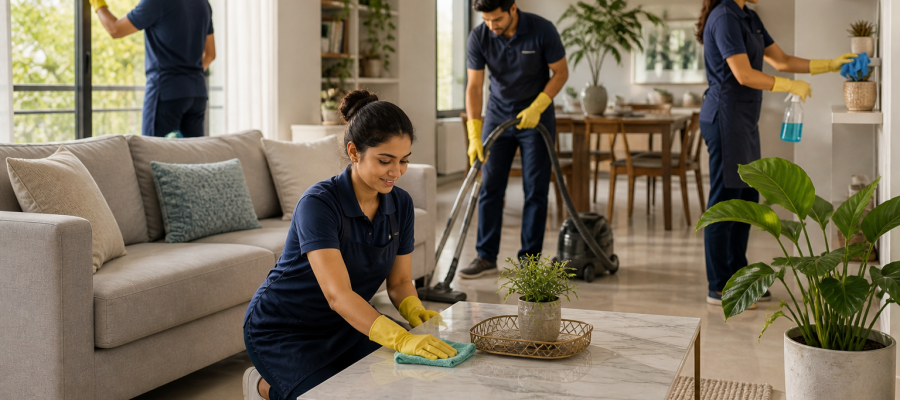
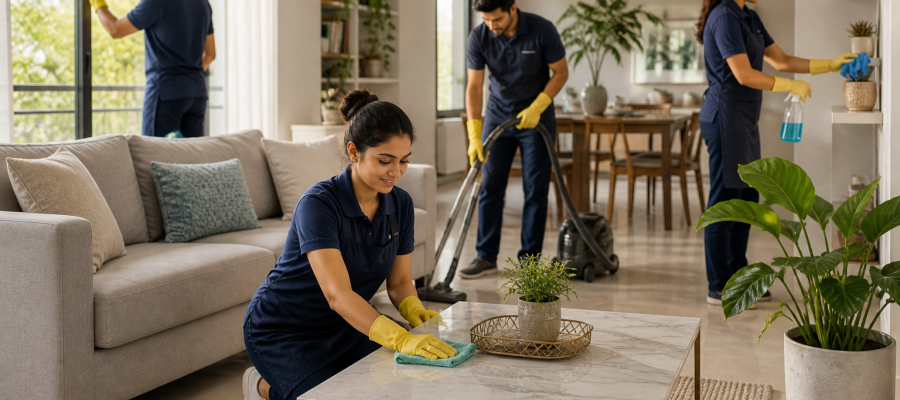
In modern households, cleanliness has become more than a routine task—it has evolved into a structured lifestyle requirement influenced by time constraints, urbanization, and rising expectations for hygiene standards. Digital transformation has further reshaped how people access cleaning support services, making them more streamlined and reliable. Platforms such as tidy casa represent this shift by offering organized and professional home care solutions that align with contemporary living needs, improving convenience and consistency across residential environments.
Why is demand for professional cleaning services increasing globally?
The demand for structured cleaning support is rising due to lifestyle changes and increasing work-life balance challenges. Statistical trends in urban households show that a significant portion of individuals spend limited time on deep cleaning tasks weekly. This has led to a higher preference for outsourced cleaning solutions that ensure consistent maintenance of living spaces without adding pressure to daily routines.
How do structured cleaning systems improve household efficiency metrics?
Structured cleaning systems improve efficiency by dividing household maintenance into predictable and repeatable tasks. This ensures that no area is neglected over time. Studies in residential behavior patterns suggest that homes maintained through scheduled cleaning routines experience significantly fewer instances of clutter buildup and hygiene-related concerns compared to irregular cleaning habits.
What makes professional cleaning consistency statistically beneficial?
Consistency in cleaning routines directly correlates with improved household hygiene outcomes. When cleaning is performed at regular intervals, the accumulation of dust and allergens decreases significantly. This leads to better indoor air quality metrics and a more stable living environment. Regular maintenance also reduces the need for intensive deep-cleaning interventions over time.
How does time allocation data reflect the value of cleaning services?
Time-use statistics show that modern individuals allocate a substantial portion of their weekly schedule to work, commuting, and personal responsibilities, leaving minimal time for detailed cleaning tasks. By delegating cleaning duties, households recover valuable hours that can be redirected toward productivity, family interaction, and personal well-being.
Why is hygiene control more effective through professional systems?
Professional cleaning systems are designed to target hygiene at multiple levels, including visible surfaces and hidden contaminants. Data from residential sanitation trends indicates that structured cleaning reduces microbial presence in high-touch areas significantly more than irregular cleaning practices. This improves overall household health conditions and supports long-term well-being.
How does service structure influence customer satisfaction rates?
Customer satisfaction in cleaning services is closely tied to service structure, punctuality, and reliability. Surveys in home maintenance industries consistently show higher satisfaction scores when services follow predictable schedules and deliver uniform results. Structured systems reduce variability and ensure that customers receive consistent quality outcomes.
What role does digital integration play in modern cleaning efficiency?
Digital integration has transformed cleaning service accessibility by simplifying booking processes and scheduling systems. Online platforms allow users to select services, customize requirements, and manage appointments efficiently. This reduces administrative delays and improves service responsiveness, making the entire process more user-friendly and efficient.
How do trained professionals improve cleaning performance outcomes?
Trained cleaning professionals contribute to improved performance outcomes through standardized techniques and specialized knowledge of surface care. Their expertise ensures that cleaning processes are executed safely and effectively across different materials and environments. This leads to higher quality results and reduced risk of damage to household items.
Why is flexible scheduling statistically important in household services?
Flexible scheduling plays a critical role in meeting diverse household demands. Data indicates that households with flexible service options report higher engagement and satisfaction levels. The ability to adjust cleaning frequency based on lifestyle patterns ensures that homes remain consistently maintained without disrupting daily routines.
How does regular cleaning impact long-term household maintenance costs?
Regular cleaning contributes to reduced long-term maintenance costs by preventing buildup-related damage. Dirt and dust accumulation can gradually affect furniture, flooring, and appliances. Statistical observations suggest that consistent cleaning reduces the likelihood of premature wear, thereby extending the lifespan of household assets.
What is the relationship between cleanliness and mental well-being metrics?
Environmental psychology studies indicate a strong link between clean living spaces and improved mental well-being indicators. Organized environments are associated with reduced stress levels and improved cognitive focus. A clean home environment supports emotional stability and enhances daily productivity.
How does attention to detail influence cleaning effectiveness?
Attention to detail significantly enhances cleaning effectiveness by ensuring that overlooked areas are properly maintained. These include corners, hidden surfaces, and less frequently accessed zones. Detailed cleaning approaches improve overall hygiene quality and contribute to a more comprehensive maintenance outcome.
Why is trust a measurable factor in cleaning service adoption?
Trust plays a key role in service adoption rates, especially in domestic environments. Verified and trained personnel increase customer confidence and improve service retention rates. Trust metrics in service industries consistently show that reliability and transparency are essential for long-term customer relationships.
How do customized cleaning plans improve service efficiency?
Customized cleaning plans allow services to be aligned with specific household requirements. This personalization improves efficiency by focusing efforts on relevant areas rather than applying a uniform approach. As a result, resource utilization becomes more effective and customer satisfaction increases.
What statistical benefits are associated with recurring cleaning services?
Recurring cleaning services offer measurable benefits such as improved hygiene consistency, reduced workload, and enhanced environmental stability. Households using scheduled cleaning systems report fewer disruptions caused by accumulated dirt or disorganization. This structured approach leads to more predictable and manageable living conditions.
How does professional cleaning support modern lifestyle adaptability?
Modern lifestyles require adaptable solutions due to varying schedules and responsibilities. Professional cleaning services provide this adaptability by offering scalable and flexible plans. This ensures that households can maintain cleanliness standards regardless of lifestyle fluctuations or time constraints.
Why is quality assurance important in structured cleaning systems?
Quality assurance ensures that cleaning services meet predefined standards consistently. It reduces variability in outcomes and enhances reliability. Structured quality control systems help maintain high service standards across different visits and households.
Conclusion
Modern cleaning systems have evolved into structured, data-driven solutions that support efficient household management. With increasing demand for convenience, hygiene, and time optimization, professional cleaning services offer measurable benefits across multiple dimensions. From improving air quality and reducing long-term maintenance costs to enhancing mental well-being and increasing time efficiency, structured cleaning plays a vital role in modern living. As residential expectations continue to rise, such services will remain a key contributor to maintaining organized, healthy, and balanced home environments.