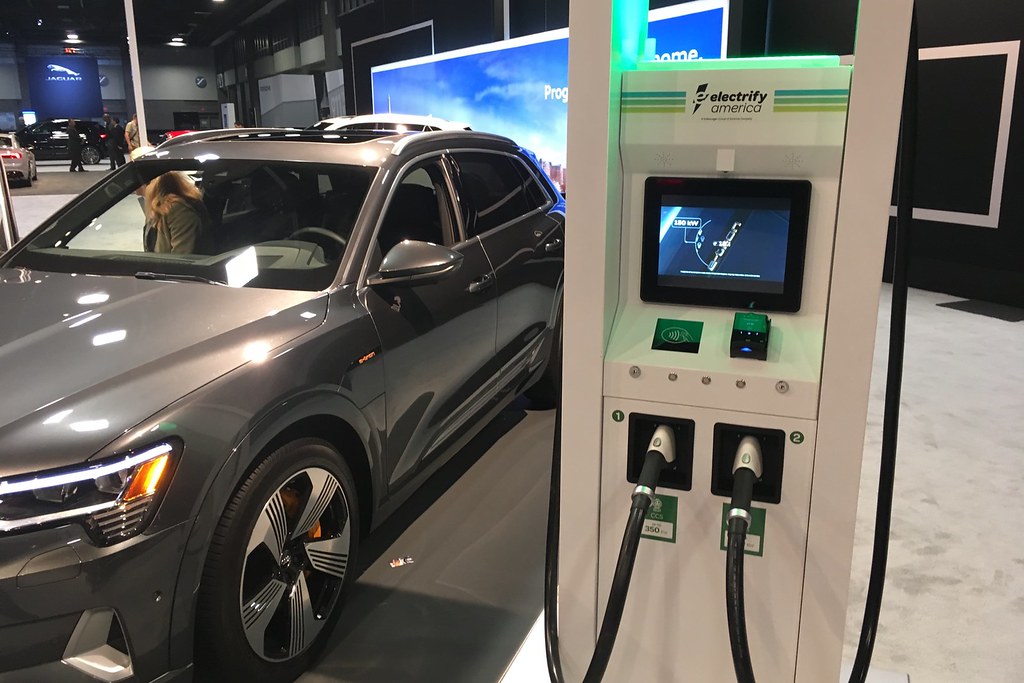
fast-charging network initiatives are crucial for the growth of electric vehicles. Electra and Mercedes-Benz have announced their plans to expand this vital infrastructure, aiming to make EV charging more accessible.
Overview of the Fast-Charging Network Expansion
The recent partnership between Electra and Mercedes-Benz marks a significant step forward in the expansion of the fast-charging network across urban areas and major highways. This collaboration aims to enhance the accessibility and efficiency of electric vehicle charging, addressing the growing demand as more consumers transition to electric vehicles.
With the installation of new charging stations, both companies are committed to providing reliable and rapid charging solutions for drivers. The project will focus on strategically located charging points that are not only convenient but also designed to minimize wait times. As electric vehicle adoption continues to rise, the need for a robust fast-charging network becomes increasingly critical.
Key features of the expansion include:
- Increased Charging Speed: The new stations will offer ultra-fast charging capabilities, allowing drivers to recharge their vehicles in a matter of minutes.
- Widespread Accessibility: Stations will be installed in easily accessible locations, including urban centers and along major travel routes.
- Collaboration with Local Businesses: Electra and Mercedes-Benz plan to partner with local businesses to create charging hubs that enhance the overall customer experience.
This ambitious initiative not only aims to improve the infrastructure for electric vehicles but also reinforces the commitment of both companies to sustainable transportation solutions.
Benefits of Enhanced EV Charging Stations
The expansion of the fast-charging network, spearheaded by Electra and Mercedes-Benz, brings several key benefits to electric vehicle (EV) users and the broader community.
- Convenience: Enhanced EV charging stations are strategically located to ensure easy access for drivers. With more charging points available, users can recharge their vehicles quickly while on the go, eliminating range anxiety.
- Reduced Charging Time: Fast-charging technology significantly decreases the time needed to charge an EV. This efficiency allows drivers to spend less time waiting and more time enjoying the open road.
- Increased Adoption: As the fast-charging network expands, more consumers are likely to consider switching to electric vehicles. The availability of convenient charging options can boost confidence in EV ownership.
- Environmental Impact: The growth of efficient charging stations encourages the use of cleaner transportation. By supporting the transition to electric vehicles, the fast-charging network contributes to reducing overall carbon emissions.
- Economic Growth: The expansion of charging infrastructure creates job opportunities in installation, maintenance, and support, stimulating local economies.
Incorporating these benefits, the ongoing development of the fast-charging network represents a significant step forward in making electric vehicles a viable alternative for all drivers.
Electra’s Role in the EV Market
Electra has emerged as a pivotal player in the electric vehicle (EV) market, particularly with its commitment to developing a robust fast-charging network in collaboration with Mercedes-Benz. As the demand for electric vehicles surges, the necessity for accessible and efficient charging solutions becomes increasingly critical.
Electra’s strategy focuses on several key initiatives:
- Strategic Partnerships: The company has forged alliances with various stakeholders, including urban planners and local governments, to streamline the installation of charging stations.
- Innovative Technology: By integrating advanced technology, Electra ensures that its fast-charging network provides quick and reliable service, making EV ownership more appealing.
- Widespread Accessibility: Electra aims to place charging stations in high-traffic areas, ensuring that EV users have convenient access to fast-charging options wherever they go.
These efforts not only enhance the user experience for current EV owners but also attract potential buyers who may have been hesitant due to charging infrastructure concerns. As Electra continues to expand its fast-charging network, it plays a crucial role in shaping a sustainable future for transportation, paving the way for a seamless transition to electric mobility.
With each new station, Electra reaffirms its commitment to supporting the growing electric vehicle market and meeting the needs of eco-conscious consumers.
Mercedes-Benz: A Leader in Electric Vehicles
Mercedes-Benz has consistently positioned itself as a frontrunner in the electric vehicle (EV) market, actively contributing to the development of a robust fast-charging network. With an unwavering commitment to sustainability and innovation, the brand has rolled out several initiatives aimed at enhancing the EV experience for consumers.
One of the key components of this strategy is the partnership with Electra, which focuses on expanding charging infrastructure across urban and rural areas. This collaboration not only increases the accessibility of charging stations but also ensures that they are strategically located to meet the demands of modern drivers.
Mercedes-Benz has made significant investments in technology and infrastructure, demonstrating its dedication to facilitating a seamless transition to electric mobility. The company has introduced a variety of electric models that cater to different customer needs, ranging from compact cars to luxury SUVs. As a result, the demand for a comprehensive fast-charging network is more crucial than ever.
To maintain its leadership position, Mercedes-Benz emphasizes the importance of collaboration with industry partners to develop innovative solutions. This includes:
- Investing in advanced charging technologies
- Implementing user-friendly charging stations
- Enhancing the overall customer experience for EV owners
As the transition to electric vehicles accelerates, Mercedes-Benz remains committed to ensuring that a reliable fast-charging network is available for all drivers.
Impact on Electric Vehicle Adoption
The expansion of the fast-charging network established by Electra and Mercedes-Benz is poised to significantly impact electric vehicle adoption. As charging infrastructure becomes more accessible and efficient, many potential EV buyers are likely to feel more confident in making the switch from traditional gasoline-powered vehicles.
Key factors influencing this trend include:
- Increased Convenience: With the growing number of fast-charging stations, drivers can recharge their vehicles quickly during routine stops, similar to refueling a gas car.
- Enhanced Range Confidence: A comprehensive fast-charging network alleviates range anxiety, allowing drivers to travel longer distances without the fear of running out of battery.
- Affordability: The collaboration between Electra and Mercedes-Benz aims to reduce operational costs, making it economically viable for consumers to consider electric vehicles.
- Partnerships: By collaborating with other stakeholders in the EV sector, Electra and Mercedes-Benz enhance the appeal of their charging network, ensuring widespread acceptance and use.
Ultimately, as the fast-charging network continues to grow, it is expected to play a crucial role in transforming public perception of electric vehicles. This shift could lead to a more sustainable future, where electric cars become the dominant choice for environmentally-conscious consumers.
Future of Fast-Charging Technology
The future of fast-charging technology looks promising, with significant advancements on the horizon. As electric vehicle (EV) adoption accelerates, the demand for a robust and efficient fast-charging network will only grow. Major players like Electra and Mercedes-Benz are at the forefront of this transformation, leveraging cutting-edge technology to enhance user experience.
One of the key developments in fast-charging technology is the introduction of ultra-fast chargers that can deliver high power levels in shorter durations. These chargers are designed to minimize wait times, making long-distance travel in EVs more feasible than ever. Additionally, the integration of renewable energy sources into charging stations is becoming a priority, promoting sustainability alongside convenience.
As the infrastructure expands, consumers will benefit from a more interconnected network of charging stations. This interconnectedness will enable seamless navigation and real-time updates on charging availability, further encouraging the transition to electric vehicles.
Moreover, advancements in battery technology are expected to complement the rapid growth of fast-charging networks. With improvements in battery capacity and efficiency, EVs can achieve longer ranges, reducing range anxiety among potential users.
In conclusion, as Electra and Mercedes-Benz continue to innovate in fast-charging technology, the future looks bright for EV enthusiasts and the environment alike.
Challenges in EV Infrastructure Development
The rapid expansion of the fast-charging network is not without its hurdles. As Electra and Mercedes-Benz forge ahead in developing this critical infrastructure, several challenges have emerged that could impact the overall success of their initiatives.
- High Initial Investment: Establishing a robust fast-charging network requires substantial financial resources. The costs associated with equipment, installation, and maintenance can be daunting, particularly in less populated areas where demand may initially be low.
- Grid Capacity: The existing electrical grid in many regions may struggle to support the high demand for power from fast-charging stations. Upgrading the grid infrastructure to accommodate these needs will be essential for sustainable growth.
- Regulatory Hurdles: Navigating the complex landscape of regulations and permits can slow down the deployment of charging stations. Each locality may have different requirements, which can complicate expansion efforts.
- Technological Compatibility: Ensuring compatibility across various EV models and charging technologies is vital. Disparities in charging standards can lead to confusion and frustration among users.
Addressing these challenges is crucial for the successful implementation of a fast-charging network that meets the growing demands of electric vehicle users. As these companies work to overcome these obstacles, their efforts will play a pivotal role in shaping the future of electric mobility.
Conclusion: A Greener Future with More Charging Options
In conclusion, the expansion of the fast-charging network by Electra and Mercedes-Benz signifies a pivotal step toward a greener future. With the increasing adoption of electric vehicles, the need for accessible and efficient charging solutions has never been more critical. By enhancing the infrastructure, both companies are addressing the concerns of potential EV owners, making the transition to electric driving more appealing.
The collaboration not only boosts the number of charging stations but also ensures that they are equipped with cutting-edge technology. This improvement is essential for reducing charging times and enhancing user convenience. As more drivers feel confident in the availability of charging options, the overall acceptance of electric vehicles is likely to rise.
Moreover, the environmental benefits of a robust fast-charging network are significant. With a greater number of EVs on the road powered by renewable energy, there will be a notable decrease in greenhouse gas emissions. This initiative aligns with global sustainability goals, paving the way for a cleaner planet.
As Electra and Mercedes-Benz continue their collaboration, their commitment to expanding the fast-charging network will play a crucial role in shaping the future of transportation. Together, they are not only transforming the landscape of electric mobility but also fostering a more sustainable way of living for generations to come.
By earthandmain via Openverse